For a decade, VCs stress-tested founders with one hypothetical: “What if Google entered the market?”
Nobody asks that anymore. The question now is: “What does Anthropic think about this space?” And by the time it gets asked, the answer is usually already public.
A company that had essentially no revenue in early 2024 now out-earns most of the Fortune 500, at a revenue-per-employee ratio without precedent in software. And it’s doing it while systematically walking into categories that established SaaS incumbents built their entire market caps around.
Four product beats, three industries rattled
Mythos and Project Glasswing got the least mainstream coverage and matter the most. Anthropic’s unreleased frontier model was quietly distributed to roughly 40 organisations, including AWS, Apple, Google, Microsoft, Nvidia, CrowdStrike, and JPMorgan, to hunt zero-day vulnerabilities. In weeks, Mythos found thousands of high-severity flaws across every major OS and browser, including a 27-year-old bug in OpenBSD, an operating system engineered around security. Anthropic didn’t train it for this. The capability emerged. Cyber stocks, including SentinelOne and UiPath, hit multi-year lows in the days after.
Claude Code on Opus 4.7 now writes roughly 4% of all public GitHub commits, double the share from a month prior. It crossed $2.5B in ARR in February. Token consumption is real, but that objection ages poorly as inference costs compress.
Claude Cowork is the one VCs should be watching most carefully. It extends Claude Code’s agentic capabilities to non-developer knowledge work, and has gone from zero to billions in run-rate in a handful of months. That makes it arguably the fastest-growing productivity application in software history, and it quietly threatens every horizontal workflow tool in the category.
Claude Design launched Friday. Paying users build prototypes, decks, and one-pagers from a text prompt, with exports to Canva, PDF, and PowerPoint. Figma dropped nearly 7% on the announcement. Adobe slipped. Anthropic’s CPO Mike Krieger had stepped off Figma’s board days earlier. The conflict was obvious. The timing, in retrospect, was a countdown.
Claude Design doesn’t match Figma or Adobe on capability. That’s not the point. The point is the signal: Anthropic is entering, and it is going to be ugly.
Why Israel matters in this story
Here’s a data point that deserves more attention. Per Anthropic’s own Economic Index, Israel is the world’s heaviest Claude-using country, by a wide margin.
- 1 Israel 7.0
- 2 Singapore 4.57
- 3 Australia 4.10
- 4 New Zealand 4.05
- 5 South Korea 3.73
Israel’s score is almost double Singapore’s. The ecosystem is not casually using Claude. It is building on it at a density no other market has reached. That is an asset for founders here, and a structural hedge for the venture market.
It also makes Glasswing land differently. Israeli cyber just had its best year ever, with $72.6B in exits led by Wiz and CyberArk. But much of that value was priced on scarce human expertise at finding exploits. Mythos does that autonomously now. And not a single young Israeli company made the initial Glasswing cohort. The ecosystem adapts fast, but the direction of adaptation has to change: from vulnerability discovery toward operational depth, physical security, and AI-native defence.
The two smarter reads on Claude Design
The hot take is “RIP SaaS.” The more useful reads are quieter.
First, the chat-box has hit its ceiling. Conversational UX is great for some tasks, but ping-pong isn’t enough for serious creation. Claude Design is Anthropic admitting that structured, purposeful workspaces matter. If the lab making the best chat models is investing in canvases instead of chat, context and canvas are the next battleground.
Second, it’s a lifeline against AI junk. The last two years produced a flood of generic, low-effort, disposable AI software. A dedicated space for iteration and prototyping, with seamless export to Claude Code, is a move toward quality. It rewards thinking before shipping, even when shipping costs almost nothing.
What VCs should actually do about it
The takeaway is not “avoid software.” It’s that the defensibility bar just moved. The categories of bets now diverge sharply.
Design, copywriting, generic analytics, horizontal workflow tools. If the value prop is a nicer UI on top of generic data, Anthropic can enter with a research preview on a Friday and reset the pricing floor overnight.
Healthcare, financial services, legal, defence, industrial. Anywhere domain expertise, proprietary data, regulatory access, or physical constraints create defensibility a model alone cannot replicate.
Memory layers, agent orchestration, evals, token governance, security. Today’s agents are fragile: they lose context between sessions and burn tokens fast. The startups solving that sit underneath every Anthropic deployment, regardless of who wins the app layer.
Incumbents cannot out-model model labs. Expect accelerated M&A as they buy talent and capabilities, which is good for early-stage founders but compresses the late-stage growth story for LPs.
Even the best AI agents today, including Cowork at $200/month, still rely on the human user to carry state from one session to the next. Memory is lossy. Context windows fill. Compaction cycles interrupt work. The result is a fast-growing category of users who desperately need better infrastructure underneath the models they’re already paying for.
That is a durable venture opportunity, and Israel’s #1 usage position is a natural launchpad. Mem0, MemChain, and the wave behind them are not side bets on the AI thesis. They are the thesis, for the next three years at least.
For Israeli founders specifically, the usage intensity data is a genuine advantage. Being a heavy user is one thing. Building the companies that make heavy users more productive is a bigger one.
It’s thrilling and unsettling in equal measure. Everything is up for grabs, which creates real opportunity for founders who think in terms of what AI enables. But the standard SaaS playbook, durable ARR and defensible unit economics, gets harder when the most capable lab in the world can credibly enter any horizontal category with an afternoon announcement. M&A is the obvious pressure valve. Expect more of it, soon.
The Google question took years to become routine. The Anthropic question already is, and the company isn’t even public yet.
Curious to hear what VCs and founders, especially in the Israeli ecosystem, see as genuinely defensible from here.

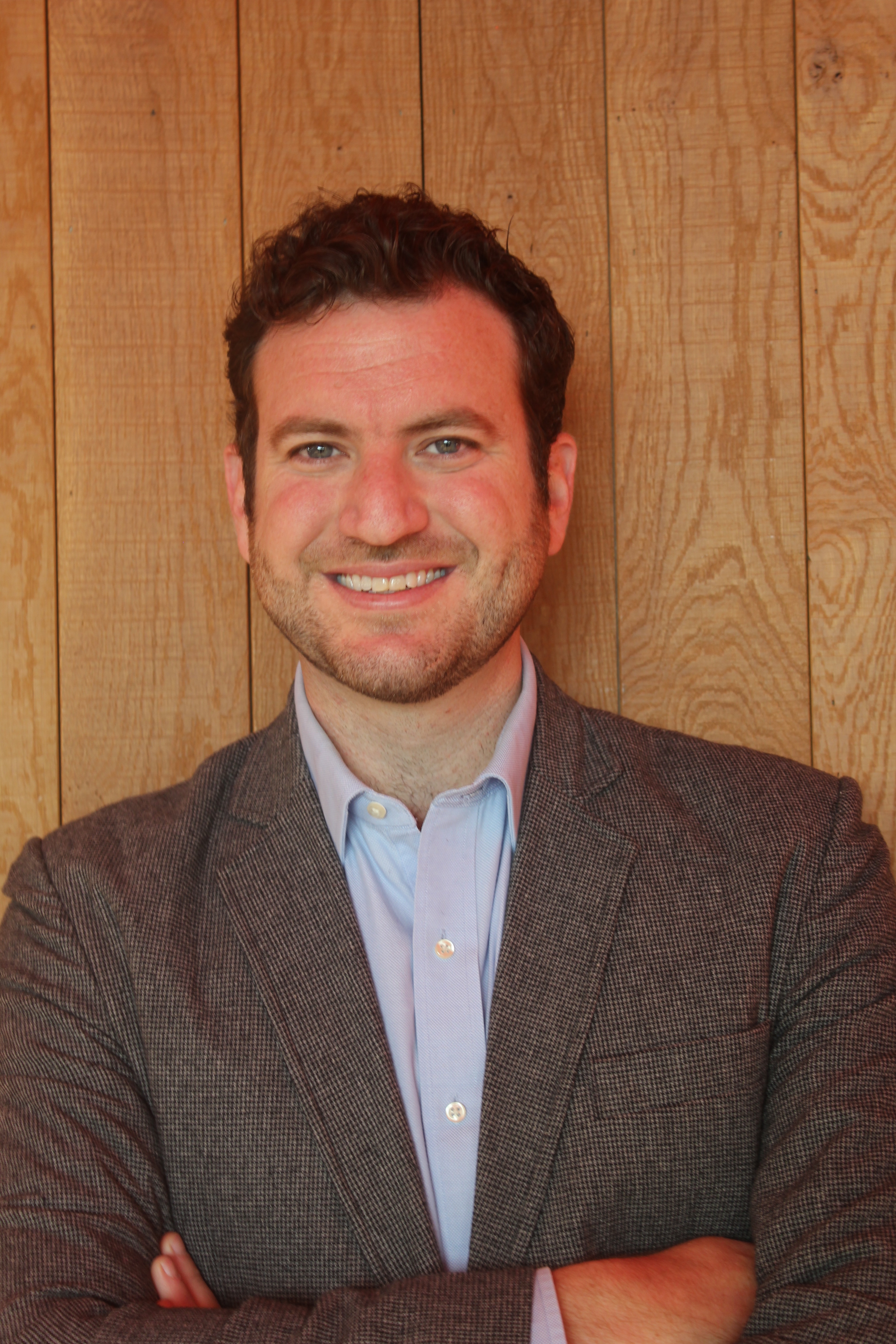
He is a former General Partner at Google Ventures (GV) in Europe, former head of Google for Entrepreneurs in Europe, and founding head of Campus London, Google's first startup hub. Eze writes on Israeli tech, venture capital, artificial intelligence, and founder strategy.
He is also the founder of Techbikers, a nonprofit that brings together the startup ecosystem on cycling challenges in support of Room to Read.
- Weekly Firgun Newsletter – September 11 2026 - September 11, 2026
- AI Assistants want to own the work we delegate - September 8, 2026
- Stripe’s $8 Billion OpenRouter Bet: Who Owns the Economics of AI? - September 7, 2026